Some couples can spot their favourite wedding photography styles right away. They save a gallery and think, yes, that feels like us. Others know what they do not want - overly posed images, trendy edits that may age quickly, or coverage that misses the quiet emotional moments. Both instincts are useful. Your style preference affects more than the final look of your photos. It also shapes how your day is documented, how much direction you receive, and how relaxed you feel in front of the camera.
Choosing a photographer is not only about finding beautiful images. It is about finding an approach that fits your personalities, your priorities, and the pace of your celebration. The best wedding photos do more than look polished. They feel true to the day.
Why Wedding Photography Styles Matter
Style is often treated like a visual category, but it is really a combination of several things: composition, use of light, posing direction, editing choices, and storytelling priorities. Two photographers can photograph the same ceremony in the same venue and create very different galleries because they notice different moments and guide couples in different ways.
That is why style deserves careful attention early in the planning process. If you are drawn to natural emotion and unscripted interaction, a heavily posed approach may leave you feeling stiff. If you love refined portraits and clean composition, a purely fly-on-the-wall style may feel too loose. Neither is wrong. The better question is which one feels most like your day when you imagine looking back on it years from now.
The Most Common Wedding Photography Styles:
Documentary/
Photojournalistic
Our Primary Photography Style Explained
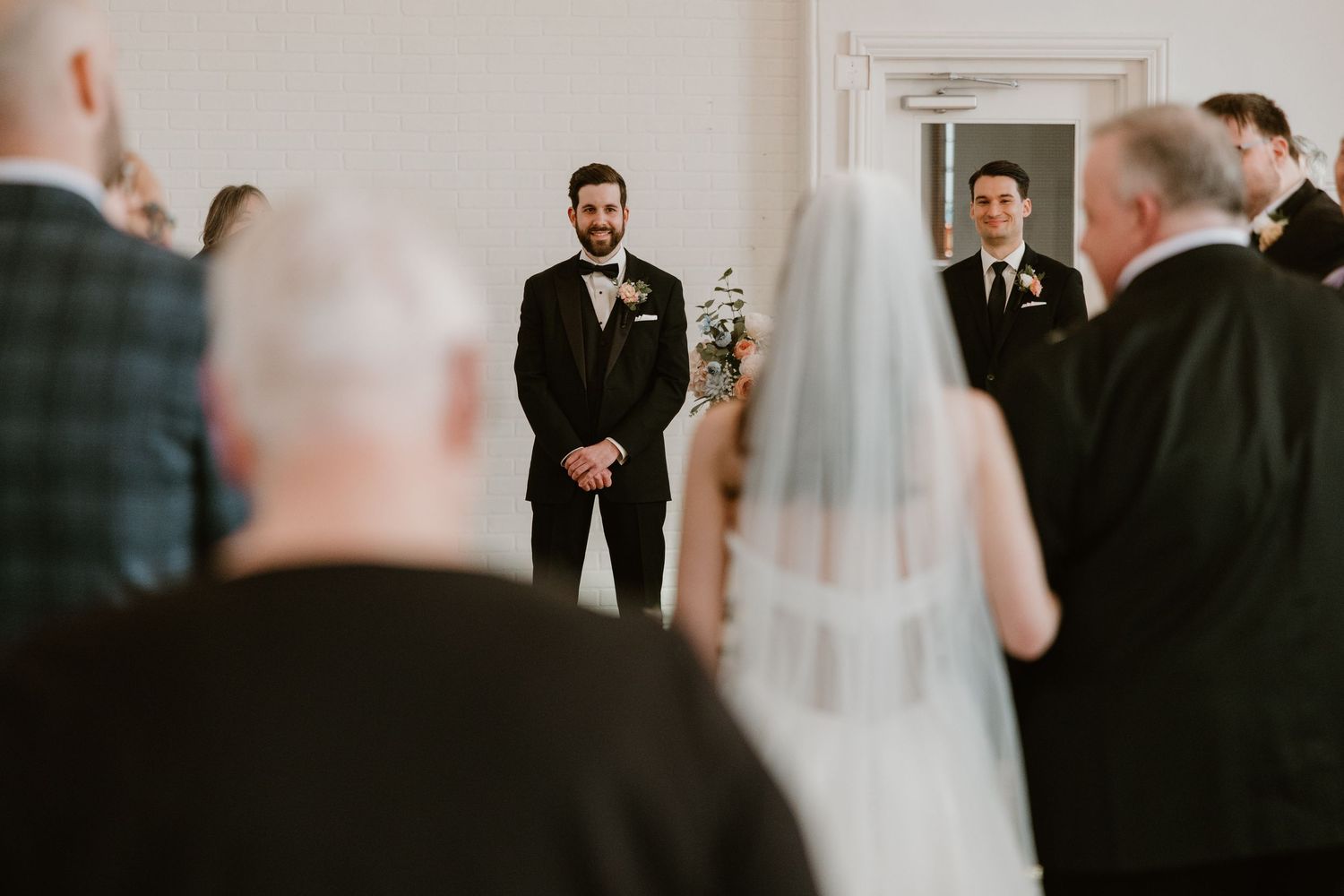
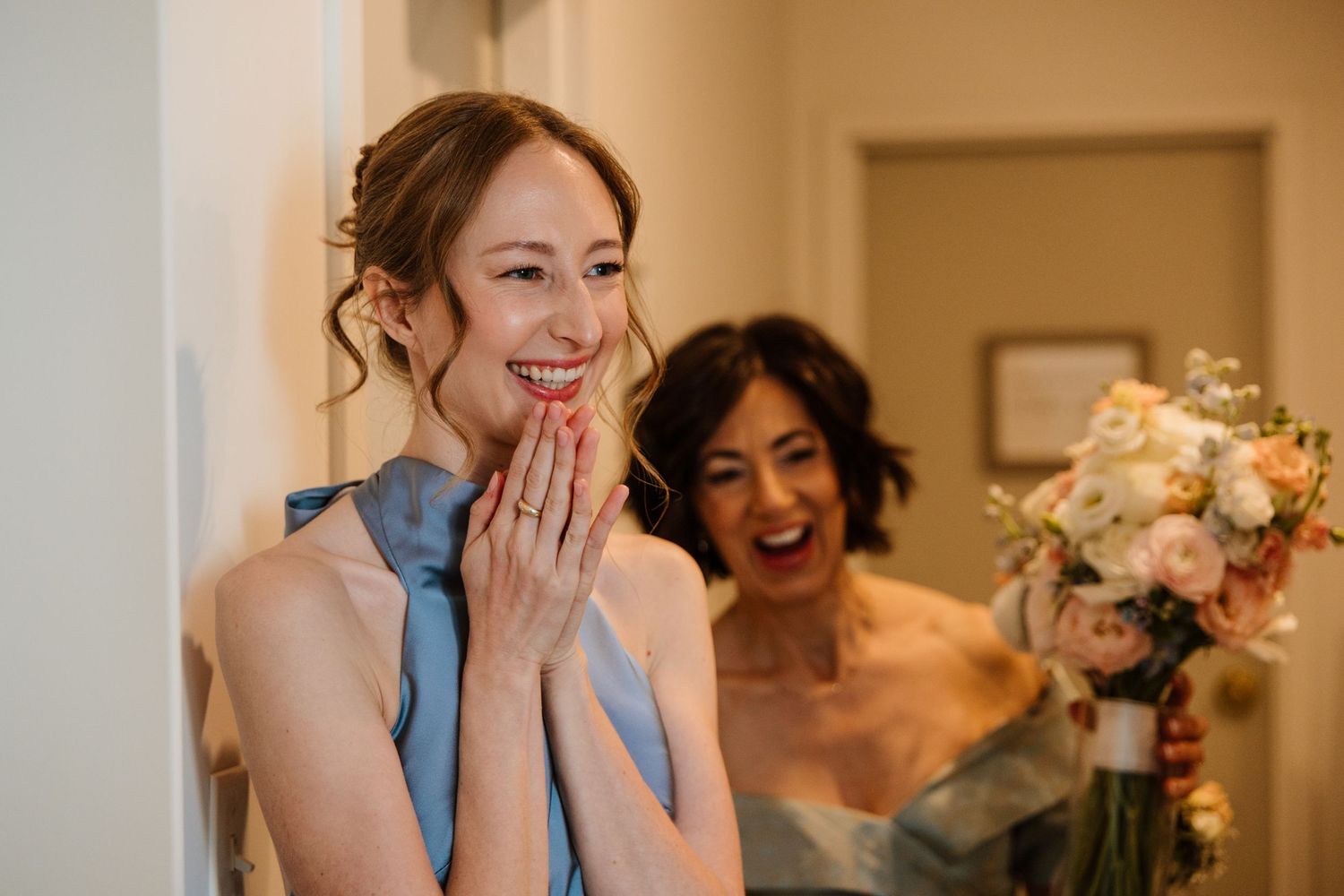
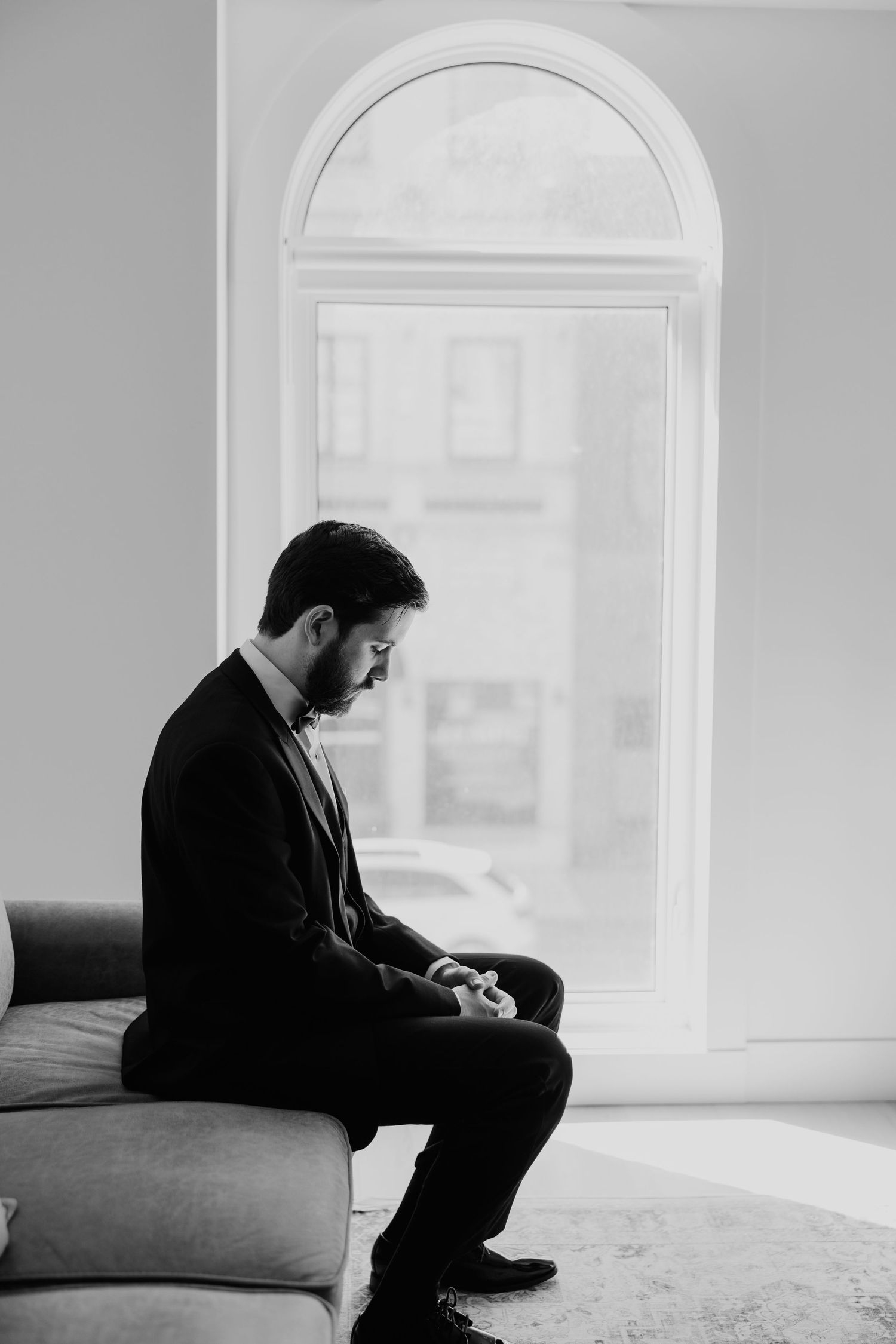
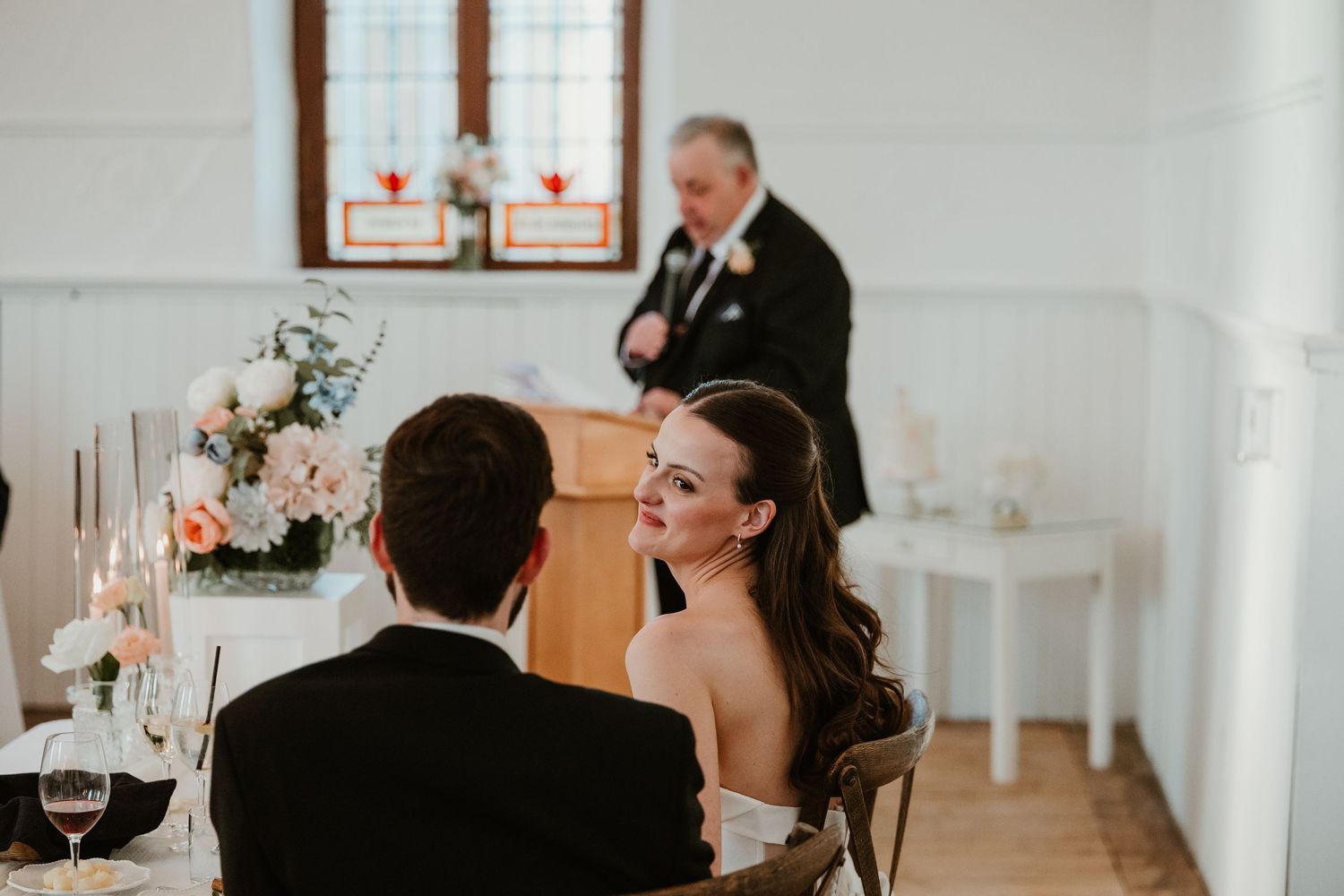
Documentary wedding photography focuses on real moments as they unfold. The photographer observes rather than interrupts, capturing reactions, movement, and atmosphere with minimal staging. This style is often what couples mean when they say they want candid photos.
The strength of documentary coverage is honesty. It preserves the energy of the day in a way that feels lived-in and emotional. You may see laughter during speeches, your parents' expressions during the ceremony, or the quick exhale right before you walk down the aisle.
The trade-off is that documentary photographers usually give less constant posing direction. That can be a perfect fit if you want to stay present and avoid feeling managed, but it helps to work with someone who still knows when gentle guidance is needed. Most couples want candid storytelling and flattering portraits, not one at the expense of the other.
Other Photography Styles:
Editorial
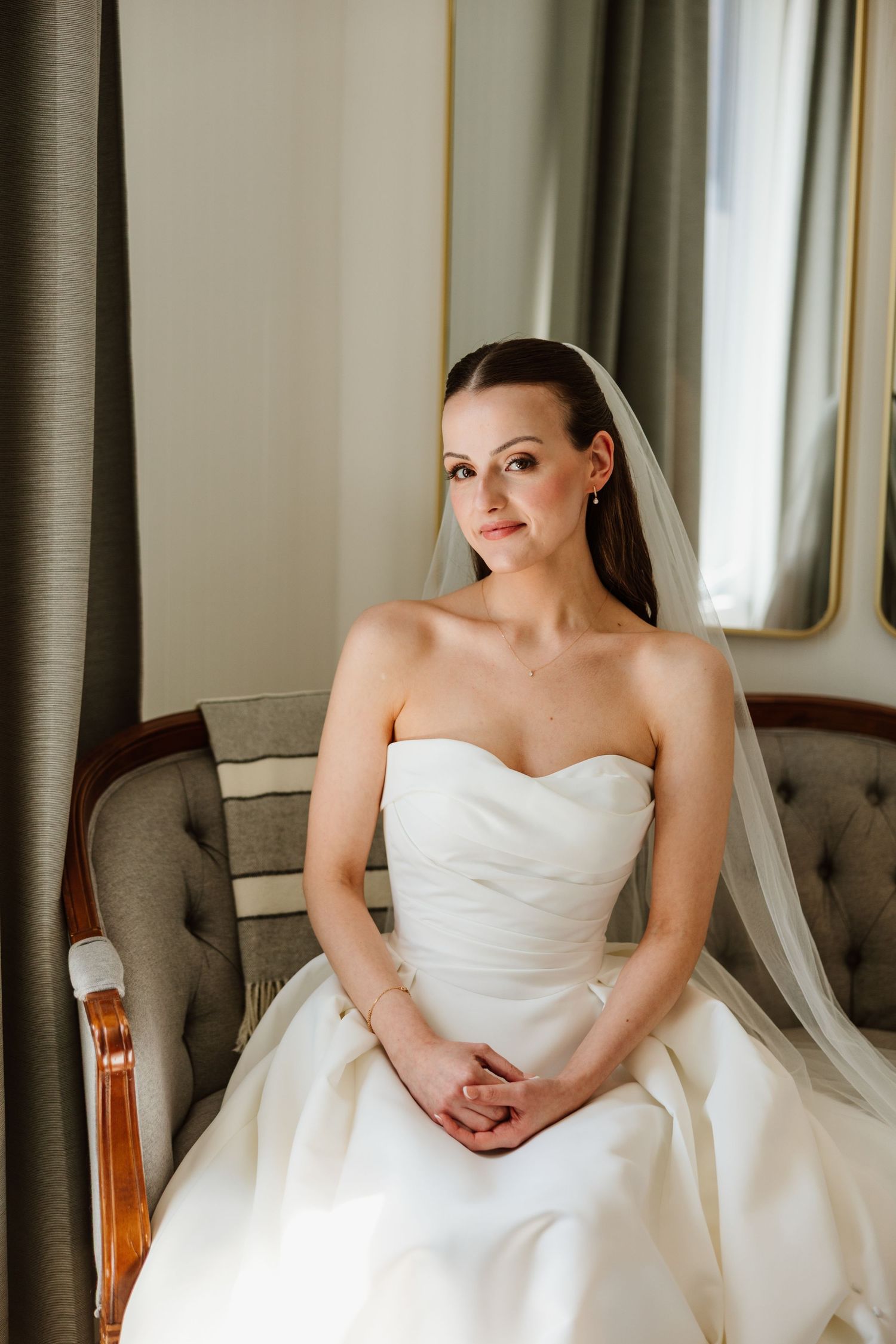
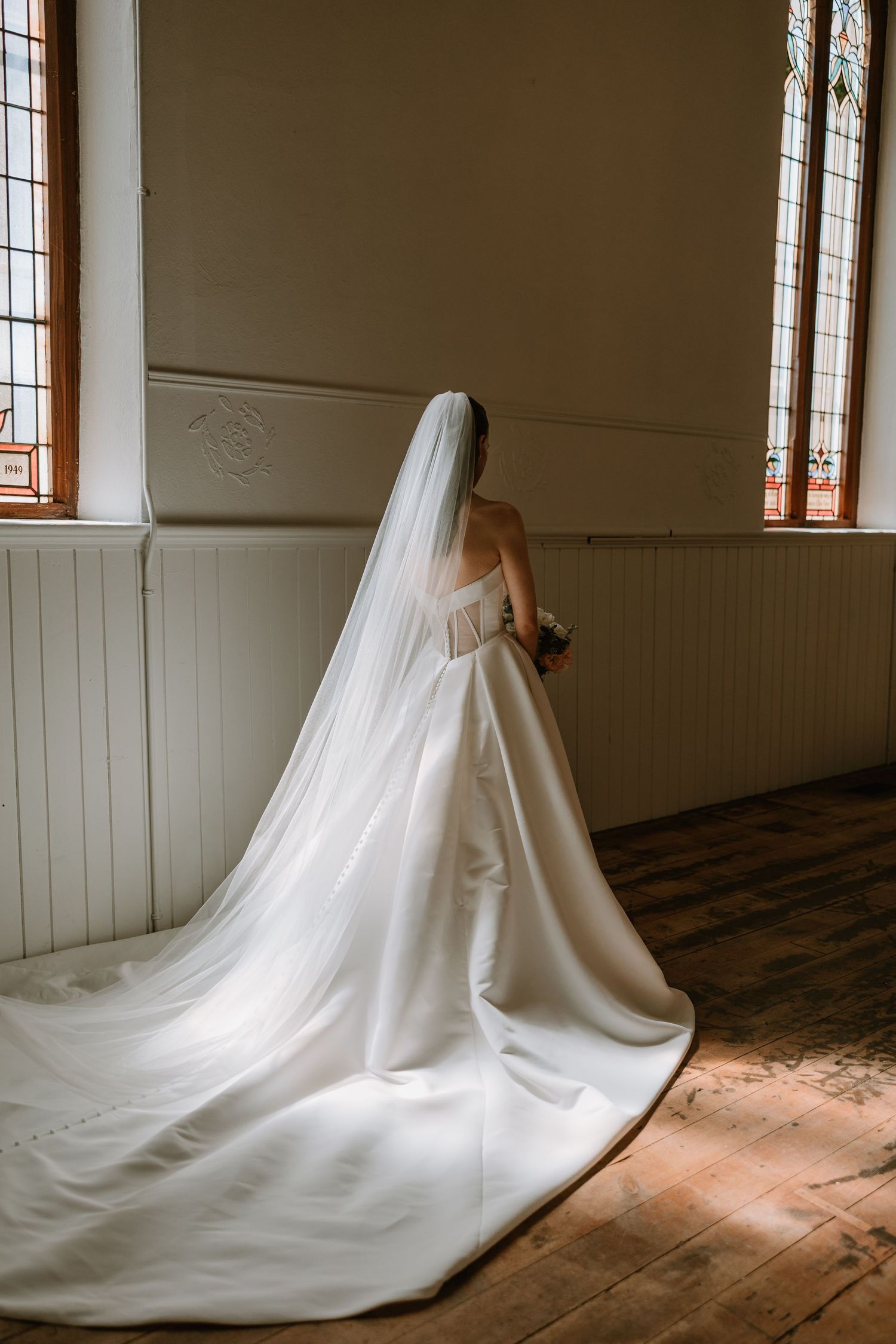
Editorial wedding photography feels polished, intentional, and fashion-influenced. It often includes strong composition, confident posing, and a refined final gallery. Details matter here - the drape of a dress, the shape of a bouquet, the way a couple stands together in architectural light.
This style can produce striking, elevated images that feel timeless when handled well. It tends to appeal to couples who love design, wardrobe, and a more curated aesthetic.
The thing to consider is pacing. Editorial imagery typically requires more direction and a bit more time. If your schedule is tight or you know you feel awkward with heavier posing, you may want a photographer who blends editorial portraits with a softer, more natural flow.
Fine Art
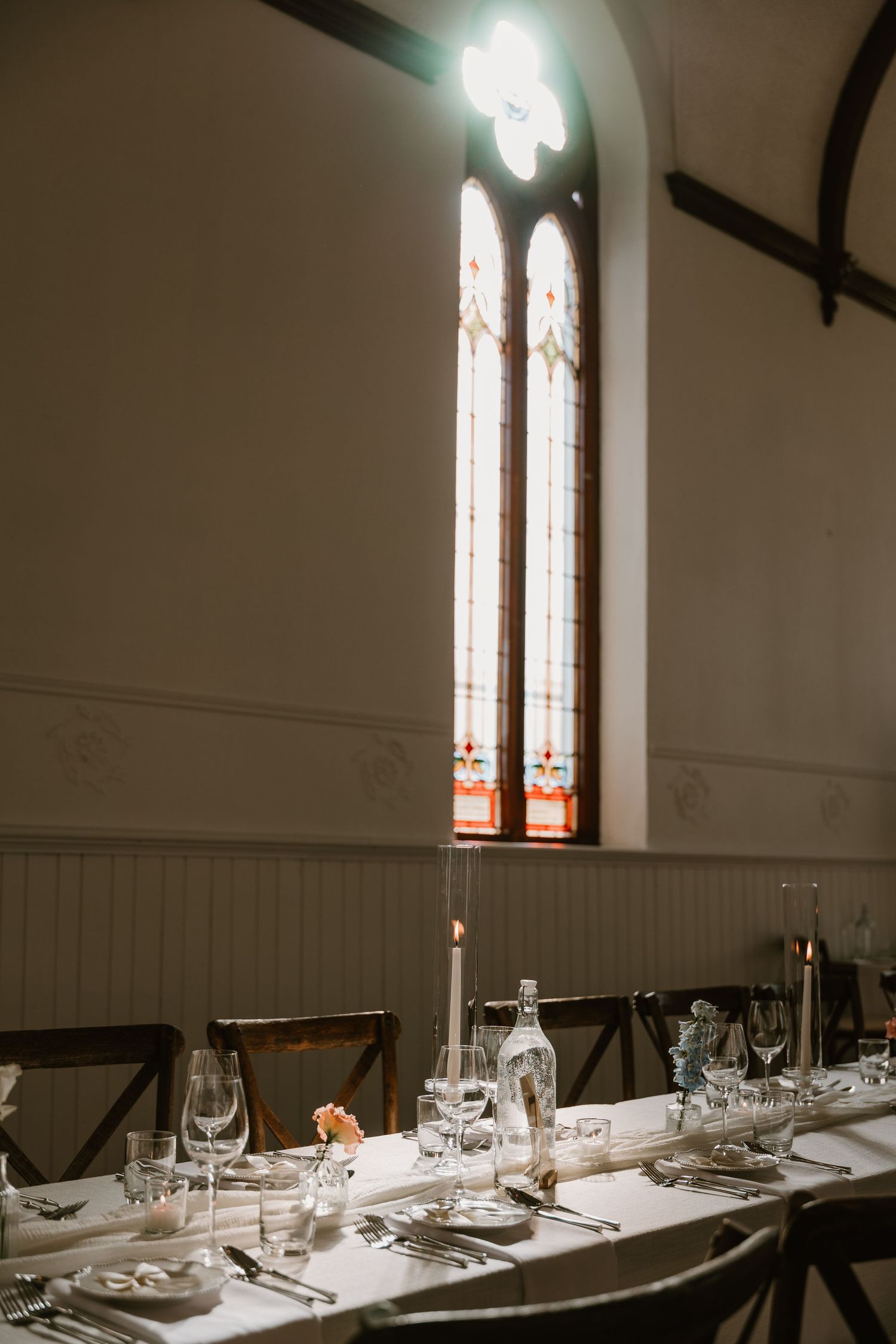
Fine art wedding photography is often light-filled, romantic, and carefully composed. It usually emphasizes softness, beauty, and a cohesive visual feel across the gallery. Film photography often overlaps with this style, though not always.
Couples are often drawn to fine art work for its elegant tones and gentle mood. Florals, tablescapes, stationery, and venue details tend to be photographed with special care, which is especially appealing if design is a big part of your wedding vision.
That said, fine art can vary a lot from photographer to photographer. Some lean airy and delicate. Others are still fine art in composition but richer in color. Looking beyond labels is important. Ask how they handle low light, fast timelines, and candid moments, not just flat lays and portraits.
Traditional or Classic
Traditional wedding photography puts more emphasis on posed portraits and must-have moments. Think family formals, full-length portraits, and clearly framed images where everyone is looking their best. This style can sometimes be described as formal, but good classic photography does not have to feel stiff.
There is real value in this approach. Family portraits matter. Clean, well-organized coverage matters. Many couples want at least part of their gallery to feel straightforward and timeless.
The difference comes down to balance. A fully traditional approach may involve more setup and less spontaneous storytelling, while a modern classic approach keeps the structure but still leaves room for personality and movement.
Dark and Moody
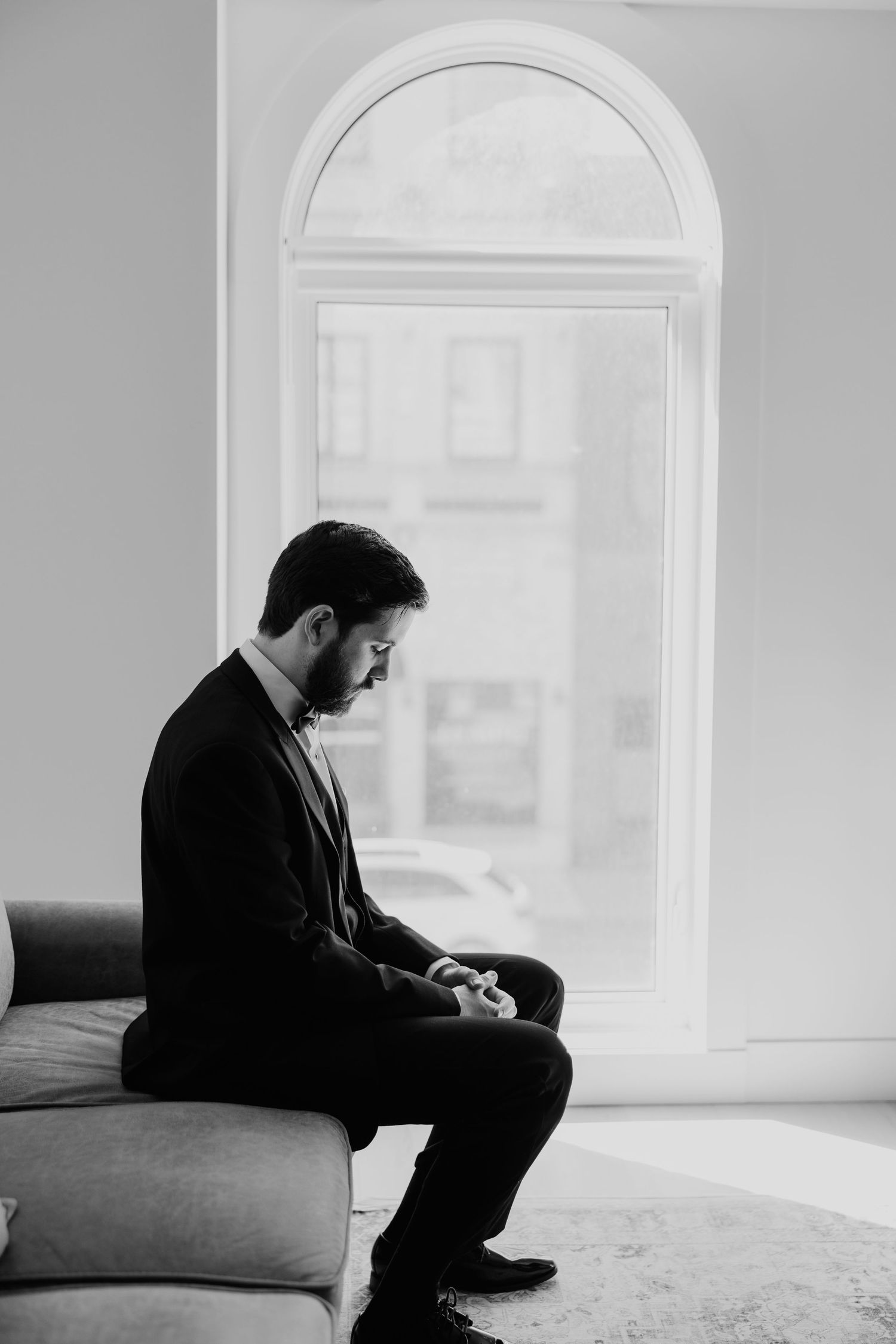
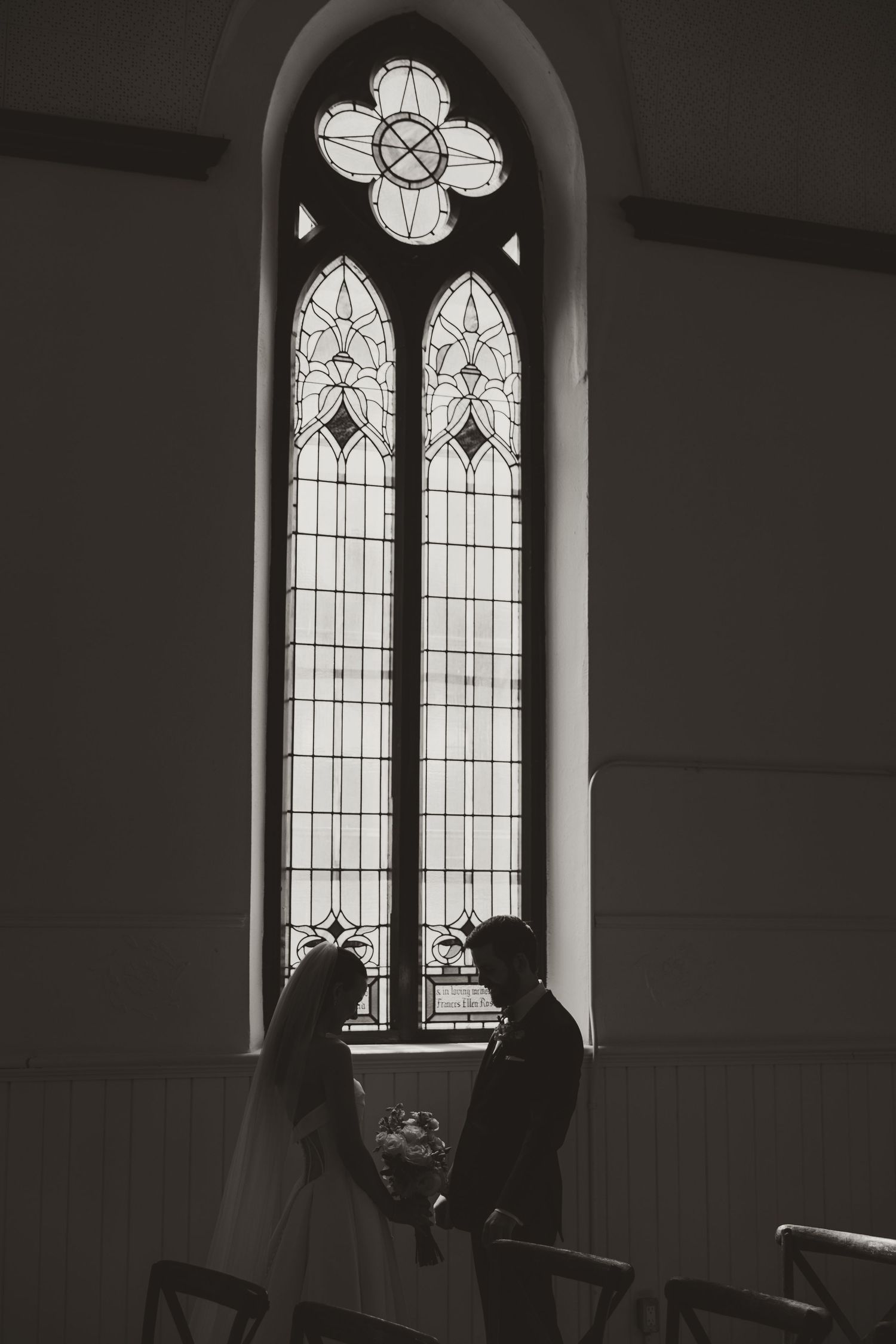
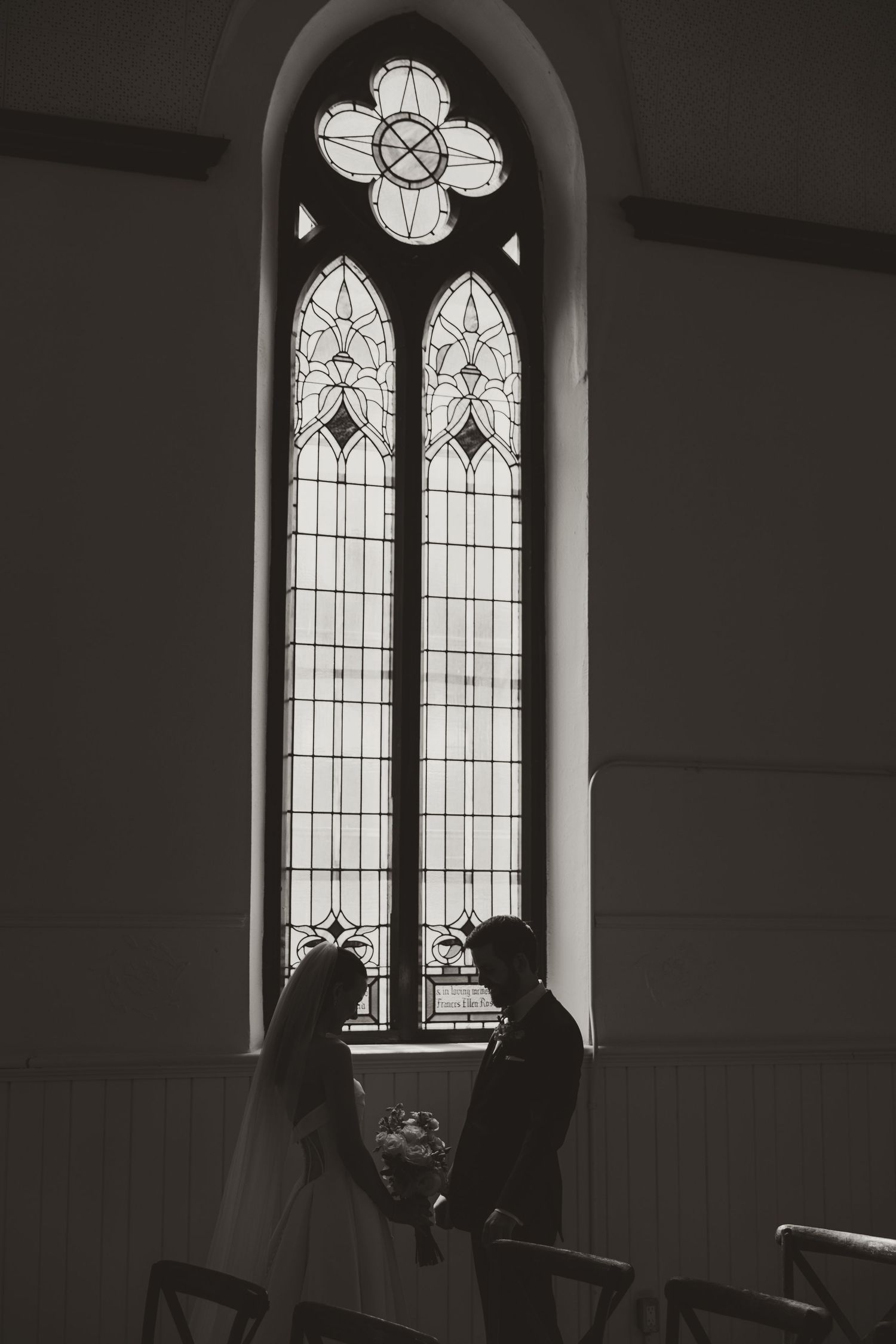
Dark and moody photography uses deeper tones, richer contrast, and often more dramatic lighting. It can feel cinematic, emotional, and atmospheric. This look tends to work beautifully in historic venues, forest settings, candlelit receptions, or fall and winter weddings.
When done well, it creates depth and mood without losing skin tone or detail. When overdone, it can make a gallery feel heavy or overly trend-driven. If you love this style, ask to see full wedding galleries, not just highlight images. A few dramatic portraits may be beautiful, but you also want to know how the photographer handles daylight ceremonies, group photos, and mixed lighting indoors.
Light and Airy
Light and airy photography emphasizes brightness, softness, and a clean, romantic palette. Whites are crisp, shadows are gentle, and the overall mood often feels fresh and joyful. Garden weddings, waterfront venues, and spring or summer celebrations often pair naturally with this aesthetic.
The appeal is easy to understand. It feels luminous and polished. But editing matters here. If exposure is pushed too far, details can disappear and skin can start to look washed out. A strong photographer will keep the look bright while still preserving depth and natural colour.
Most Couples Do Not Fit Into Just One Style
This is where choosing a wedding photographer gets more nuanced. Many couples describe their dream gallery as candid, timeless, romantic, and polished. That is not one narrow category. It is a combination.
In practice, the strongest wedding coverage often blends styles. A photographer may document your ceremony and reception in a mostly documentary way, give clear direction during family photos, and create editorial portraits during golden hour. That mix is often what makes a gallery feel both beautiful and complete.
A balanced approach is especially helpful if you want support on the wedding day. You may want someone who can step in with timeline guidance, adjust portrait locations based on light, organize family groupings efficiently, and then fade into the background when the moments become more personal. For many couples, that balance creates the best experience as well as the best images. This is the balanced approach that we strive for with our couples
Choosing a Style That Will Still Feel Right Years From Now
Trends are not automatically bad. Some are beautiful. But wedding photos are one of the few parts of your day that become more meaningful over time, so it is worth leaning toward work that still feels honest when the trend cycle moves on.
Usually, that means looking for strong light, natural skin tones, genuine emotion, and an approach that allows your personalities to come through. The right style should feel like your wedding at its best, not like someone else's version of what a wedding should look like.
If you are torn between a few directions, trust the work that makes you feel something and the photographer who makes you feel at ease. Beautiful images matter. So does being fully present while they are made. The right fit gives you both.